
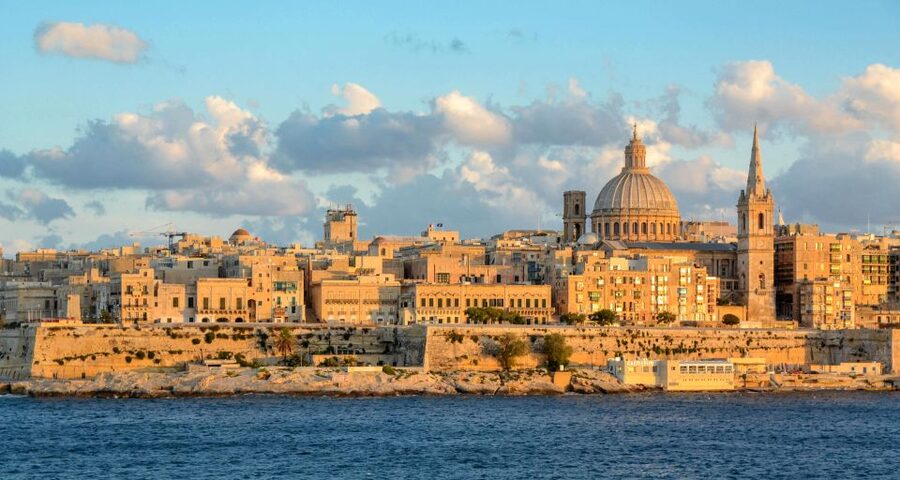
Reviewed · HISTORICAL TOURS
The Taste and History of Valletta
Valletta is easier to understand with a bite in your hand. This 3.5-hour walk links Maltese food with the city’s past, moving from a cafe more than 180 years old to a snackbar, an 1874 building, and a chocolate shop. You get the story of the place and something good to eat at regular intervals.
I like two things here: the tastings are generous enough to make this more than a snack crawl, and the small-group format lets guides such as Andrew and Caroline explain Valletta without turning the walk into a lecture. The tour also uses local foods, drinks, and pastries rather than relying on familiar tourist fare.
The main consideration is the pace. You will walk through Valletta and stop several times to eat, so comfortable shoes and a hearty appetite matter. One guest found the guide very strong on history but quiet during seated meals, which may matter if you want constant conversation at the table.
Key points at a glance
- Start beside St John’s Co-Cathedral: Meet your English-speaking guide in Misrah San Gwann, one of Valletta’s central squares.
- Begin with 180 years of cafe tradition: Taste Maltese coffee and pastries while hearing how the cafe became part of local life.
- Try everyday Maltese food: Sample ftira, pastizzi, street food, and other local dishes rather than only restaurant fare.
- Pair Maltese dishes with local drinks: A soft drink or award-winning beer accompanies the snackbar stop, followed later by Maltese wine.
- Walk through Valletta’s story: The guide connects food with the city’s fortress role, architecture, UNESCO status, and changing customs.
- Finish with Maltese chocolate: The final stop provides a sweet ending in a dedicated chocolate shop near the end point.
Why food is the best way to read Valletta
Valletta can seem like a city of grand stone buildings and formal monuments. Those matter, but food gives you a more ordinary view of the place. A pastry at a long-running cafe, a filled ftira at a local snackbar, and a glass of Maltese wine show how people eat between work, worship, and city errands.
That is the useful idea behind this tour. You are not simply walking from one attraction to another. You are using food stops to pause, look around, and connect daily habits with Malta’s past.
The historical side covers Valletta as a fortress city, its architecture, its place as a UNESCO World Heritage site, and the way its food customs have changed. You should expect explanation along the route rather than a full museum-style lecture. The strongest value comes from the combination: the guide gives context, then the food makes that context easier to remember.
The tour has an average rating of 4.9 from eight reviews, with particular praise for the food, the historical information, and the idea of breaking up a city walk with frequent tastings. That is a small sample, so I would treat the score as encouraging rather than final proof. Still, the comments point to a clear strength: this experience works because it joins two activities that are often sold separately.
Other ways into the past around Valletta:
- Valletta: Self-Guided Historical Walking Tour (Audio Guide)
★ 3.7 · 251 reviews - Heritage Pass in Malta
★ 3.5 · 14 reviews - Hagar Qim temple (UNESCO) and Limestone Heritage guided tour
★ 3.5 · 11 reviews
Meeting outside St John’s Co-Cathedral
The walk starts in Misrah San Gwann, or St John’s Square, with the guide waiting in front of St John’s Co-Cathedral. This is a practical meeting point in central Valletta and gives the tour an immediate historical setting.
You should allow time to find the cathedral frontage and arrive ready to walk. The supplied details do not specify a particular entrance, street corner, or sign used by the guide, so check the exact booking instructions before setting out.
The route ends in Pjazza Jean de Vallette. That matters for planning. You finish in a different part of the city rather than returning to the cathedral, so think of the tour as a useful way to move across Valletta while eating and learning. The experience does not include transport, and the walking element is central to the plan.
Coffee and pastries in a cafe with 180 years of stories
The opening food stop visits a Maltese landmark with more than 180 years of history. Here, you taste traditional coffee and different pastries while the guide explains the cafe’s place in local life.
This is a good first stop because it sets the tone. You are introduced to food that people associate with Malta, but you also learn why an old cafe can matter beyond its menu. The age of the business gives the guide a natural way to discuss continuity, memory, and the way city institutions remain part of everyday life.
The pastry tasting also gives you an early sense of the tour’s portions. Several reviews describe the food as generous, and one particularly direct piece of advice is to come hungry. Breakfast eaters may want only a light meal before meeting the group.
The precise cafe name and exact pastry selection are not specified, so you should not expect a fixed list of every item. The description does confirm coffee and several pastries. If you have allergies or dietary restrictions, ask before booking or contact the provider, since no special-diet arrangements are stated.
Ftira, a local drink, and a more casual Valletta
The next stop is a local snackbar. You taste a Maltese ftira with either Malta’s local soft drink or its award-winning beer.
This is an important change of setting. The first stop presents a long-established cafe tradition. The snackbar offers a more informal look at the food people can eat without sitting down to a formal meal. Ftira is the key item here, and the stop helps show that Maltese food is not limited to plated dishes in restaurants.
You may also appreciate the choice of drink. The soft drink gives you a nonalcoholic option, while the beer provides a taste of Malta’s modern drinks culture. The supplied information does not say how the choice is handled, so ask the guide if you have a preference.
One review specifically mentions an excellent tuna sandwich, along with pastizzi and other street food. The general description names ftira, but the exact sandwich and street food selection can vary. Think of this part as a chance to try several local flavors, not a guaranteed menu with every item listed in advance.
Same island, a different sort of day:
- From Malta: Full-Day Gozo UTV Tour with Lunch and Boat Ride
★ 4.6 · 4,408 reviews - The Original Valletta Walking Tour
★ 5.0 · 2,719 reviews - Valletta: 3-Hour Walking Tour
★ 4.7 · 1,605 reviews - From Malta: Full-Day Gozo Quad Tour with Lunch and Boat Ride
★ 4.8 · 1,419 reviews
Maltese dishes inside an 1874 building
The most substantial food stop takes place in an 1874 building that now houses a restaurant specializing in Maltese cuisine. You receive a selection of traditional dishes with Maltese wine.
The building adds more than atmosphere. A meal in a place dating from 1874 gives the guide another way to explain how Valletta’s buildings have changed use over time. The setting links the city’s built past with food that is still served today.
This is likely the point at which the tour feels most like lunch rather than tasting. The portions are described as generous, and the stops are spaced to give you time to digest. That spacing is helpful, particularly because the route includes coffee, pastries, bread, savory food, a main selection, and chocolate.
The wine pairing adds local character, but you should plan sensibly if you are drinking. The description does not state the number of glasses or offer a nonalcoholic substitute at this stop. If you do not drink wine, ask the provider in advance rather than assuming an alternative will be available.
The food itself is part of the history lesson. A guide can explain ingredients and customs as you eat, giving you a clearer sense of how Malta’s position in the Mediterranean shaped its kitchen. The tour promises local dishes, but it does not name every recipe, so the exact selection may depend on the restaurant and the day.
Maltese chocolate to finish the walk
The last tasting takes place at a chocolate shop where you can try chocolates made in Malta. It is a simple ending, but a smart one. After several savory stops, a sweet final bite gives the route a clear finish.
This stop also shows that the experience is not limited to old recipes. The tour looks at established cafe and restaurant traditions, then ends with a modern specialty product. That helps present Maltese food as something living and changing, rather than a museum display.
The description does not identify the chocolate shop or specify the flavors. You can expect Maltese-made chocolate, but not a confirmed list of truffles, bars, fillings, or drinks. If chocolate is your main reason for booking, keep that distinction in mind. The tour is a broad food walk, not a chocolate-focused tasting.
The history between the bites
The food stops are only half of the experience. As you move through Valletta, the guide discusses the city’s role as a fortress, its architecture, its UNESCO World Heritage status, and the stories attached to its landmarks.
The best historical material should come while you are moving between stops. That format suits anyone who wants context without spending three and a half hours inside formal attractions. You will see the city at street level and hear how food traditions fit into the wider story.
Andrew received especially warm praise for combining food with historical information. Caroline was also praised for making the historical facts engaging and interesting. These names are useful because they show the type of guiding the tour can provide, though your assigned guide may be someone else.
There is one fair limitation. A guest found the guide very informed about Valletta’s past but less talkative while the group was seated to eat. If you want a guide who fills every quiet moment with conversation, this may feel uneven. If you prefer to eat without a running commentary, that pause could be welcome.
How much food do you receive for $118?
At $118 per person, this is not a cheap way to grab a few samples. The value depends on how you use it. You are paying for three and a half hours of guided walking, several food and drink stops, historical explanation, and a small-group setting.
The generous portions improve the calculation. A review describes enough food to feel substantial, with the tastings spaced out so the group could digest. Another recommends arriving very hungry. If the portions remain similar, the tour may replace a meal as well as provide a morning or afternoon activity.
The value is also stronger if you are new to Maltese food. A restaurant meal can give you one view of the cuisine. This route gives you coffee and pastries, ftira, street food, a restaurant selection, wine, and chocolate in one outing. You also get help identifying what you are eating and why it matters.
The price is harder to justify if you already know Valletta’s food scene or prefer to choose each restaurant yourself. You may spend less by ordering individual items on your own, although you would lose the guide, the historical connections, and the small-group structure.
I would compare this with the cost of a guided walking tour plus a meal. If you would book both separately, $118 is easier to defend. If you mainly want one snack and a short orientation, it is more than you need.
Walking, timing, and what to wear
The tour lasts 3.5 hours and includes a fair amount of walking. Valletta’s streets are the setting, not just the space between restaurants, so wear comfortable shoes rather than your smartest holiday footwear.
Bring an appetite. The route includes several tastings, and the portions may be larger than the word tasting suggests. You do not need to arrive after skipping all food, but a very large meal beforehand would work against the format.
Dress for the weather and use layers. The tour moves between streets and indoor food stops, and the provided guidance specifically recommends weather-appropriate clothing and any needed accessories.
The experience is conducted in English with a live guide. Group sizes are kept small, which should make it easier to ask questions and hear the historical explanations. The details do not give a maximum number, so you should not assume a specific group size.
Free cancellation is available up to 24 hours before the start for a full refund. You can also reserve now and pay later, which is useful when your Malta plans are still shifting.
Who will enjoy this Valletta food walk?
I would recommend it to first-time visitors who want a quick orientation to Valletta through food. It is also a good fit if you like history but do not want to spend your whole day inside museums or churches.
Food-focused visitors should enjoy the range. You sample everyday items and restaurant dishes, then finish with chocolate. The route gives you more variety than a single meal and more explanation than an unplanned stop at a bakery.
It also suits couples, friends, and small groups who enjoy talking while walking. The regular pauses make the three and a half hours feel varied, and the small-group approach should keep the experience more personal than a large coach excursion.
I would be more cautious if you need a fully specified menu, have serious dietary restrictions, dislike walking, or want a formal history tour with constant narration. The food selection is described by type rather than by a fixed menu, and the conversation may quiet down during meals.
Should you book The Taste and History of Valletta?
Book it if you want a meal-sized introduction to Maltese food and Valletta’s story in one outing. The mix of an old cafe, snackbar food, ftira, traditional dishes, Maltese wine, local drinks, and chocolate gives you a useful first taste of the city.
The strongest reasons to choose it are the generous portions, the guide’s historical focus, and the small-group format. Andrew and Caroline are both associated with engaging explanations, and the route includes places you might not notice while walking alone.
Skip it if you want complete control over every dish, a short snack break, or a silent meal. At $118, the tour earns its price through the number of stops, the food quantity, and the guiding. Come hungry, wear good shoes, and treat it as both lunch and an introduction to Valletta.
FAQ
How long does The Taste and History of Valletta last?
The tour lasts 3.5 hours.
How much does the tour cost?
The listed price is $118 per person.
Where does the tour begin?
It begins in Misrah San Gwann, or St John’s Square. The guide waits in front of St John’s Co-Cathedral.
Where does the tour end?
The walk ends in Pjazza Jean de Vallette.
What language is the tour conducted in?
The live guided tour is conducted in English.
What food and drinks are included?
The experience includes traditional coffee and pastries, Maltese ftira, a local soft drink or award-winning beer, a selection of Maltese dishes with Maltese wine, and Maltese-made chocolates.
Is this a walking tour?
Yes. It is a guided walking tour through Valletta, and you should expect a fair amount of walking.
Can I cancel for a full refund?
Yes. You can cancel up to 24 hours in advance for a full refund.
Can I reserve the tour and pay later?
Yes. The reserve-now, pay-later option lets you book your place without paying on the day of booking.
Just added in Valletta
- World War II Malta Full-Day Walking Tour★ 4.3 · 18 reviews
- Malta: 5 hr Vintage Bus Tour – Mdina & Blue Grotto inc. food★ 5.0 · 22 reviews
- Valletta: Private Maltese Cuisine Walking Tour★ 4.8 · 8 reviews
- Valletta : Highlights & Hidden Gems Walking Tour★ 3.1 · 5 reviews
- Valletta & Mdina: Private Tour★ 4.5 · 16 reviews
- Valletta: Food and Culture Private Tour★ 4.9 · 10 reviews
- Valletta: Guided Walking Tour★ 3.8 · 5 reviews
- Afternoon Harbours Cruise with Guide and Roundtrip Transfers★ 3.4 · 11 reviews
Historical Tours, compared.
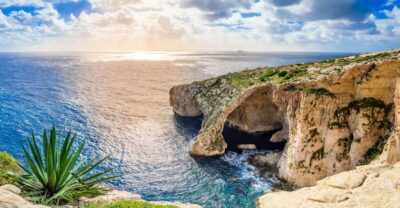
Prehistoric Temples, Limestone Heritage & Blue Grotto
Read our review →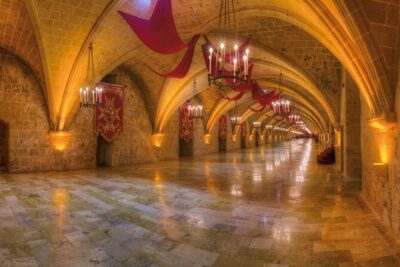
Maltese Islands History Audio-Visual Show and La Sacra Infermeria Tour
Read our review →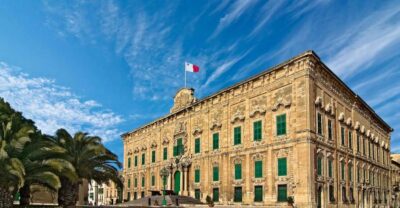
Self-Guided Historical Walking Tour (Audio Guide)
Read our review →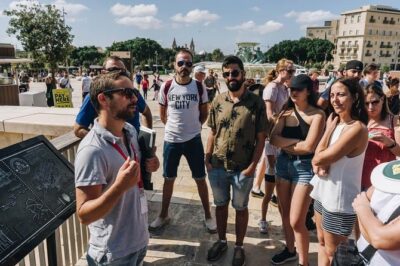
Wonderful Valletta, gastronomy, art, and history in the Mediterranean
Read our review →
The Limestone Heritage Park and Gardens (Entry Ticket)
Read our review →Browse the lists this tour appears in